
Back to School Special Education Checklist for Parents and School Administrators

The first week of school should not be the week everyone discovers that a student’s support plan is missing, transport is unclear, or assistive technology is locked in a cupboard.
For students with disabilities, a strong start depends on preparation before the first bell rings. Parents need to know what services are ready. School administrators need to know which students require support, who is responsible, and how staff will respond when a plan is not working.
This guide is a practical back-to-school checklist for special education. It focuses on what should happen before instruction begins, what families can expect during the first few weeks, and the common mistakes that delay services. It is informational only and does not replace legal advice or local policy guidance, since special education rules can vary by country, province, school system, and programme.

Start with the student’s current plan
Every successful school year begins with one question: What does this student need to access learning safely and meaningfully?
For many students, the answer is written in an Individual Education Plan, learning support plan, accommodation plan, behaviour support plan, therapy plan, or medical care plan. The name may differ, but the purpose is the same. It should tell staff what the student needs, when they need it, and who will provide it.
Before school starts, administrators should make sure each plan is:
Current and based on the student’s latest needs
Shared with the right staff before the first day
Clear enough for teachers and support staff to follow
Matched with schedules, staffing, materials, and services
Reviewed for any changes in placement, transport, medication, behaviour, sensory needs, or communication
Parents should not assume last year’s arrangements have automatically carried over. A polite check-in before school opens can prevent weeks of confusion.
A useful message might say:
“Please confirm that my child’s current support plan has been shared with all relevant staff and that services will begin from the first day of instruction.”
That one sentence can prompt the school to check files, timetables, staffing, and classroom readiness.
What schools should have ready before instruction begins
A plan is only useful when it turns into daily practice. Administrators should treat the days before school as a readiness check, not just an enrollment period.
Confirm services and staff assignments
If a student receives speech therapy, occupational therapy, learning support, counseling, behavior support, reading intervention, or classroom assistance, the school should confirm how these services will begin.
The team should know:
Which services are required
How often they will happen
Who will provide them
Where they will take place
How missed sessions will be recorded or made up when required
How parents will be informed if there is a change
A common delay happens when a service is written in a plan but no staff member has been assigned. Another delay happens when a timetable exists, but it clashes with core instruction, prayer time, transport, therapy sessions, or another required support.
Prepare accommodations before the first lesson
Accommodations should not depend on a teacher remembering them under pressure. They should be ready before teaching starts.
Common accommodations include:
Preferential seating
Extra time for classwork or assessments
Large-print materials
Simplified instructions
Visual schedules
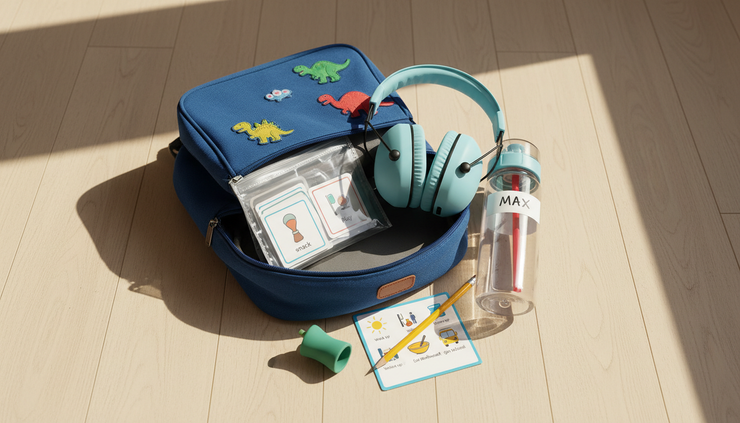
Slant boards, pencil grips, or adapted writing tools
Break cards or movement breaks
Noise-reducing headphones
Communication boards or devices
Modified homework expectations
Alternative ways to show learning
Small details matter. If a student needs enlarged worksheets, someone must know who will prepare them. If a student uses a communication device, it must be charged, available, and accepted as part of classroom participation.
Accessibility is not a favour. It is part of access to education.
Train the adults who will work with the student
A student may interact with many adults during a school day: class teachers, subject teachers, teaching assistants, bus staff, playground supervisors, therapists, nurses, guards, canteen staff, and substitute teachers.
Not every adult needs every detail. They do need the information that helps them support the student safely and respectfully.
Before school begins, administrators should brief staff on:
Communication needs
Mobility and access needs
Health or emergency instructions
Behavior support strategies
De-escalation steps
Sensory triggers and calming supports
Personal care arrangements
Confidentiality expectations
What to do if support is not available
A written quick-reference sheet can help, as long as it is handled confidentially and shared only with staff who need it.

What parents should expect during the first few weeks
The first few weeks are a transition period. Even with good planning, students may need time to adjust to new teachers, timetables, classmates, buildings, and routines.
Parents should expect communication, observation, and quick problem-solving, not silence.
A clear point of contact
Families should know whom to contact when a support is missing or a concern arises. That person may be a class teacher, special educator, coordinator, administrator, counsellor, or case manager.
The point of contact should be able to answer basic questions:
Has the plan been shared with staff?
Are services happening as scheduled?
Is the student settling into the classroom?
Are accommodations being used?
Are there concerns with transport, toileting, eating, medication, or transitions?
Is the student showing stress, withdrawal, refusal, aggression, or fatigue?
Parents should avoid sending the same message to many people at once unless the issue is urgent. One clear contact reduces confusion and creates accountability.
Early feedback about how the plan is working
A support plan may look strong on paper and still need adjustment in real life. The start of term is the right time to notice this.
Parents can ask for brief updates such as:
What went well this week?
Which support helped most?
Did any part of the day become difficult?
Were services delivered as planned?
Is my child participating with peers?
Is there anything we should practise at home?
Schools do not need to write a long report every day. Short, useful communication is often better than delayed formal updates.
Time to adjust, but not time to wait indefinitely
Some nervousness is normal at the start of school. A student may cry, refuse tasks, become tired, or need more reminders. That does not always mean the placement or plan has failed.
Still, missing support should not be brushed aside as “settling in”.
Parents should follow up quickly if:
A required service has not started
A teacher has not received the plan
An accommodation is being denied or ignored
The student is repeatedly excluded from activities
Behavior support is reactive rather than planned
The student is unsafe, distressed, or unable to access instruction
Communication from school stops after concerns are raised
A good school responds early, documents concerns, and adjusts support before problems grow.
The common mistakes that delay services
Most back-to-school problems are not caused by bad intentions. They are caused by gaps in systems. Knowing the patterns helps families and schools prevent them.
Mistake | Why it causes delays | Better practice |
Waiting until the first week to review support plans | Staff start teaching before they understand student needs | Review plans before school opens and flag urgent needs |
Assuming last year’s support will continue automatically | Staffing, timetables, and providers may have changed | Confirm services in writing before instruction begins |
Sharing plans with only one teacher | Students move across people and places all day | Brief every adult who has a direct support role |
Treating accommodations as optional | Students lose access to learning from the start | Build accommodations into lesson planning and routines |
Not preparing assistive technology | Devices may be missing, uncharged, or unfamiliar to staff | Test equipment and assign responsibility before day one |
Delaying parent communication | Small problems become major disputes | Use short updates and early check-ins |
Ignoring transport and arrival routines | The school day can fail before class begins | Plan arrival, dismissal, bus support, and handover carefully |
Focusing only on academics | Health, sensory, behavior, and social needs affect learning | Review the whole school day, not just lessons |
One of the biggest mistakes is vague responsibility. “Someone will handle it” is not a plan. A named person, a date, and a simple record can prevent many delays.

A practical checklist for administrators
Administrators set the tone for the year. When they prepare systems early, teachers feel supported and students receive help without unnecessary conflict.
Use this checklist before instruction begins.
Review student records
Identify all students who have support plans, assessments, health plans, or disability-related accommodations
Check whether any plans are expired, incomplete, or awaiting review
Note students who are new to the school or moving to a new section
Confirm parent contact details and emergency information
Protect confidentiality while making sure key staff receive what they need
Match services to the timetable
Add therapy, support, and intervention times to the school schedule
Avoid removing students from the same subject every time unless that is agreed
Plan coverage for staff absence
Confirm room availability for small-group or individual support
Track the start date for each service
Prepare classrooms and shared spaces
Check seating, lighting, noise, and movement access
Make visual supports available where needed
Prepare accessible toilets, ramps, lifts, or safe routes where relevant
Review playground, canteen, library, lab, sports, and assembly access
Make sure emergency evacuation plans include students with mobility, sensory, communication, or medical needs
Set communication routines
Tell parents who their contact person is
Create a simple process for reporting missed services
Schedule early check-ins for students with complex needs
Ask teachers to report concerns before they become crises
Keep written records of decisions and changes
Support teachers without overloading them
Teachers need practical information, not a folder full of unexplained documents.
A useful teacher summary includes:
The student’s strengths and interests
Key accommodations
Communication methods
Triggers and calming strategies
Safety or health information
What success looks like in class
Who to contact for help
This helps teachers act with confidence from the first day.
A practical checklist for parents
Parents bring essential knowledge. They often know what helps a child recover from stress, follow instructions, communicate pain, manage transitions, or feel included.
Before school starts, parents can take these steps.
Send a short back-to-school note
Keep it clear and useful. Include:
Your child’s preferred name
Strengths and interests
Main disability-related needs
What helps during stress or overload
Any health, allergy, medication, or safety concerns
Assistive technology or communication tools
Transport or dismissal instructions
The best way to contact you
This is not a replacement for the official plan. It helps staff see the student as a whole person.
Confirm the essentials in writing
Ask the school to confirm:
The plan has been received and shared
Services will begin on the first instructional day or on a known date
Accommodations are ready
Transport and arrival routines are clear
Staff know any health or emergency instructions
A point of contact has been assigned
Written confirmation does not need to sound confrontational. It simply creates clarity.
Prepare the student for routines
Students often feel safer when they know what to expect. Depending on the student’s age and needs, families can practise:
The route to school
Wearing the uniform or school shoes
Packing and opening the school bag
Using a lunch box or water bottle
Asking for a break
Using a communication card or device
Following a morning routine
Recognising the teacher or support staff from photos, if available
For some students, a social story, calendar, or simple visual countdown can make the transition easier.
Watch for early warning signs
The first weeks can reveal stress that a student cannot explain in words. Parents may notice:
Sleep changes
Stomach aches or headaches
School refusal
Increased meltdowns or shutdowns
Loss of skills
New toileting issues
Unusual silence after school
More irritability or fatigue
Strong reactions to uniform, noise, transport, or homework
These signs do not automatically mean something is wrong at school, but they do deserve attention. Share patterns with the school and ask what staff are seeing during the day.
How parents and schools can solve problems early
When support does not happen as planned, the response should be calm, specific, and prompt. Blame rarely fixes a timetable, trains a teacher, or finds a missing device. Clear steps do.
Start with facts:
What service, support, or accommodation was missed?
On which date did it happen?
Who was informed?
How did it affect the student’s access, safety, or participation?
What immediate fix is needed?
What system change will prevent it from happening again?
A helpful problem-solving message might say:
“My child did not receive the agreed reading support on Monday and Wednesday. Please confirm when sessions will begin, how missed sessions will be addressed, and who will update us by Friday.”
This keeps the focus on action.
Administrators should respond with specific information, not general reassurance. A strong response includes the reason for the gap, the temporary support available, the date full support will begin, and the person responsible.
If a concern continues, parents can request a meeting to review the plan. Schools should welcome this when the goal is to help the student access learning.
What a successful start looks like
A successful start does not mean every day is perfect. It means the adults are prepared, the student’s needs are known, and problems are handled before they become barriers.
By the end of the first few weeks, a strong start usually looks like this:
The student is attending as consistently as possible
Teachers know and use the agreed accommodations
Services have started or have a confirmed start date
Parents know whom to contact
The school is tracking concerns and missed support
The student has access to peers, activities, and instruction
Staff are adjusting support based on what they observe
The student feels safer and more understood over time
The best back-to-school special education work happens before there is a crisis. Review the plan, prepare the people, confirm the services, and keep communication simple. When parents and schools share responsibility from the start, students with disabilities have a much better chance of beginning the year with confidence.


Comments